
Risk management software
Risk management software for IT security, suppliers and continuity
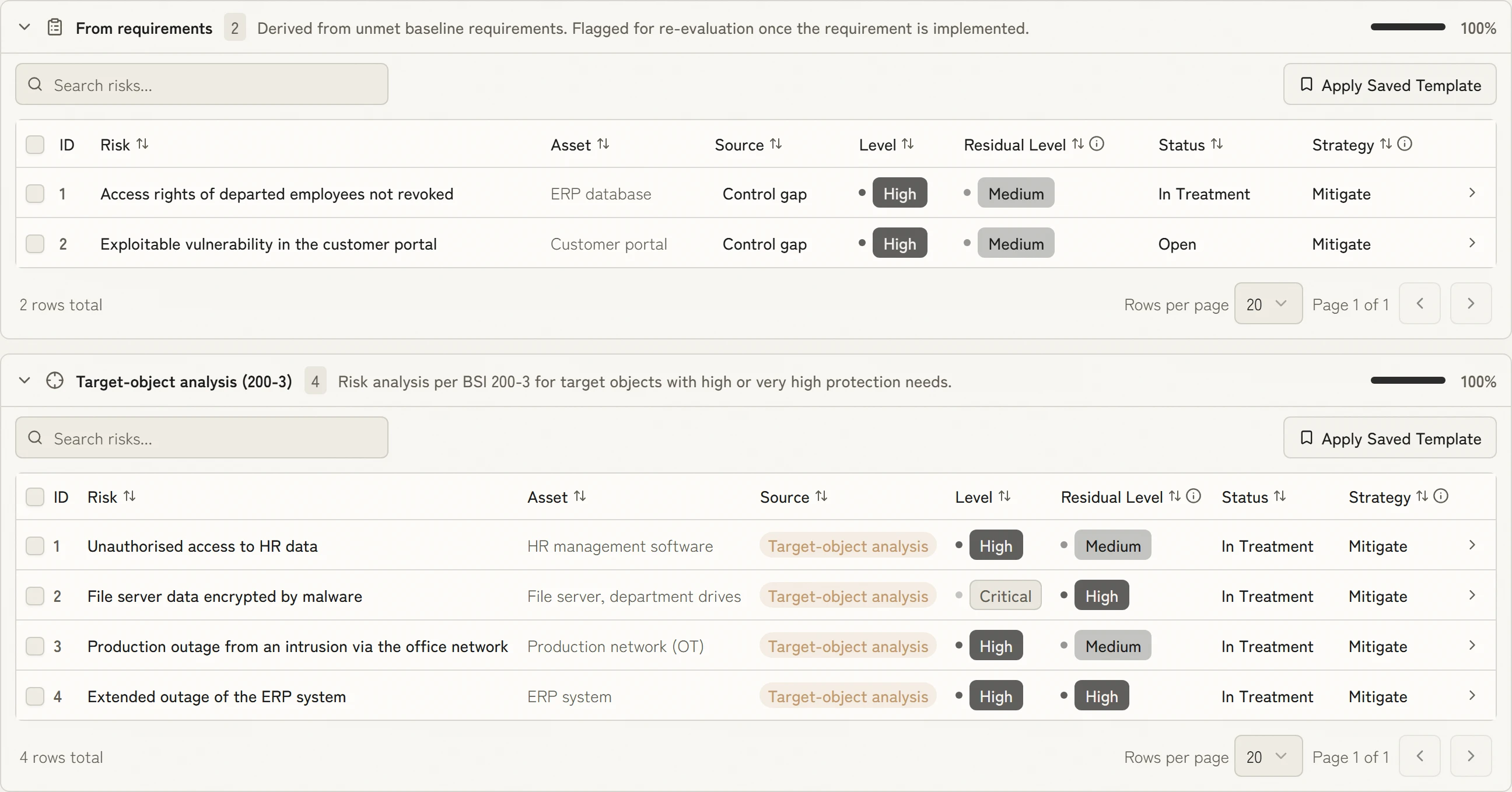
KaitoSec proposes risks from processes, assets, suppliers and open requirements and scores them in advance. Your team confirms, assigns treatment and reports from the same register without merging spreadsheets.


 5.0 out of 5
Risk assessment with ISO 27005 and BSI 200-3
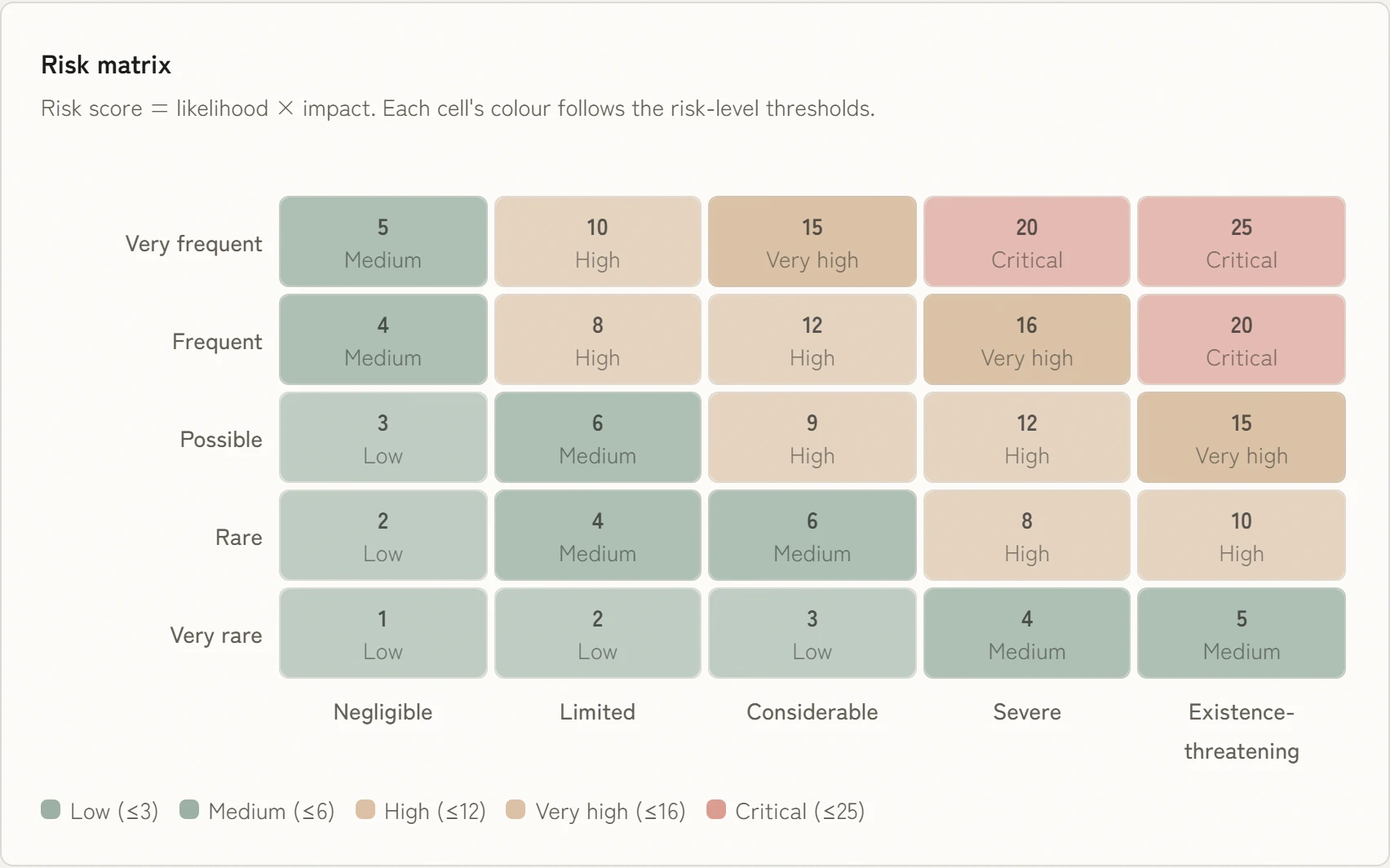
A defensible assessment starts with context, not a score. KaitoSec links each risk to the process, asset or service at stake, records likelihood and impact using the chosen methodology and keeps the rationale beside the result.
Teams can work with ISO 27005 or the BSI 200-3 approach without splitting decisions across spreadsheets. Inherent risk, treatment, residual risk, owner and review date remain part of the same auditable record.
 Inherent riskResidual risk
Supplier risk under NIS2 and DORA
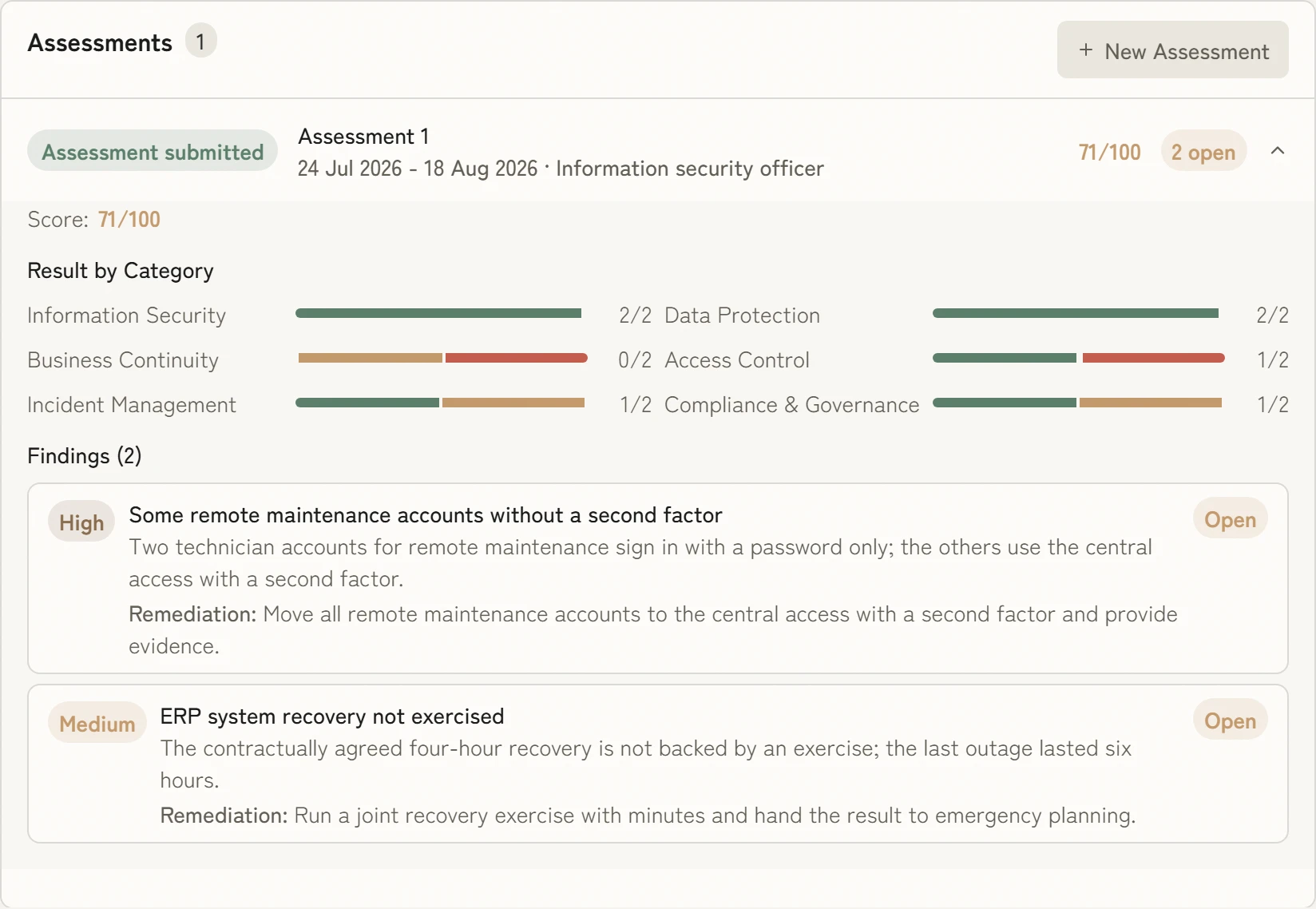
Supplier risk is both an information-security question and an operational dependency. KaitoSec connects the vendor record, contract, processed data, critical services, assessment findings and agreed treatment instead of asking three teams to maintain separate lists.
NIS2 and DORA views reuse that shared context for the obligations that apply. Reviews, exceptions and follow-up actions remain attributable, so a supplier assessment becomes ongoing risk work rather than a questionnaire stored once.
BIA and business continuity risks
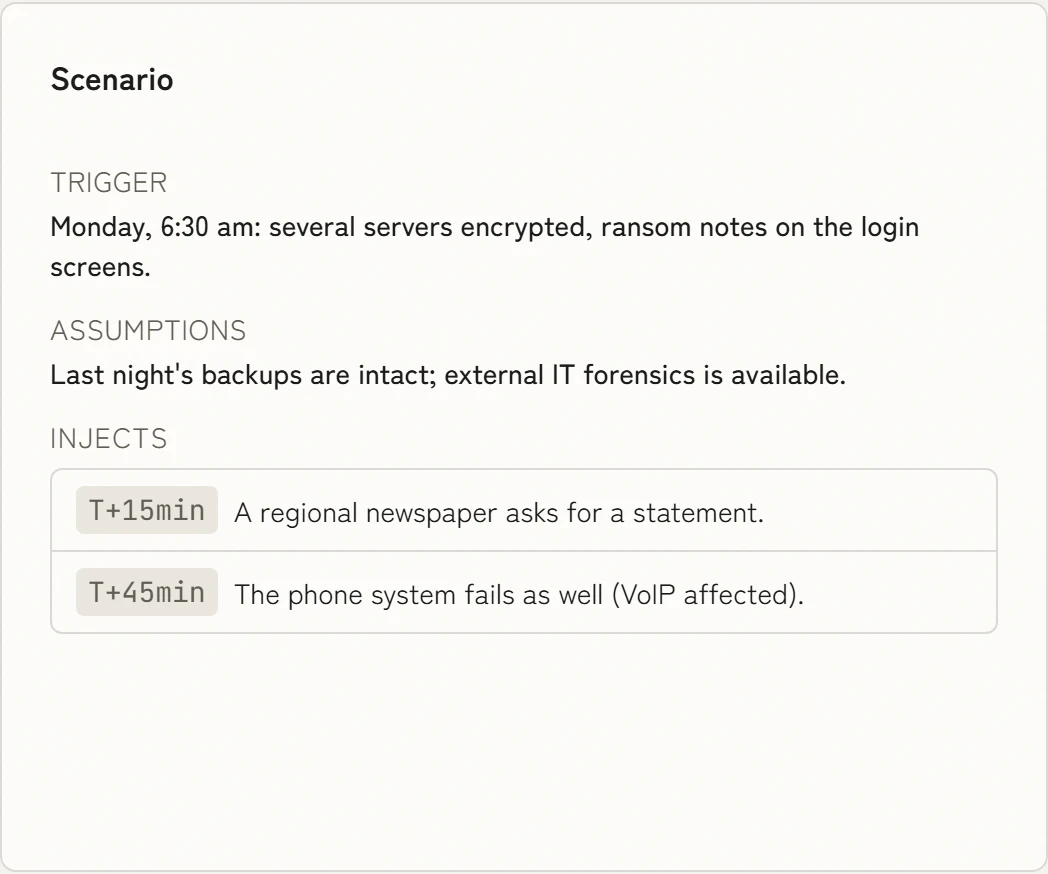
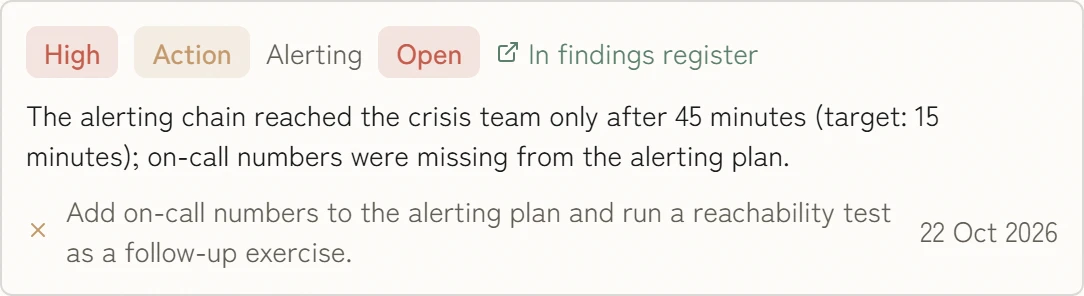
Business impact analysis establishes which processes must recover first and which dependencies can prevent that recovery. KaitoSec links BIA results, recovery objectives and disruption scenarios to the same risks and suppliers already known to the ISMS.
A change in criticality can therefore trigger the relevant risk and plan reviews. Security and continuity teams work from one operational context while retaining their own methods and responsibilities.
One risk register for every management domain
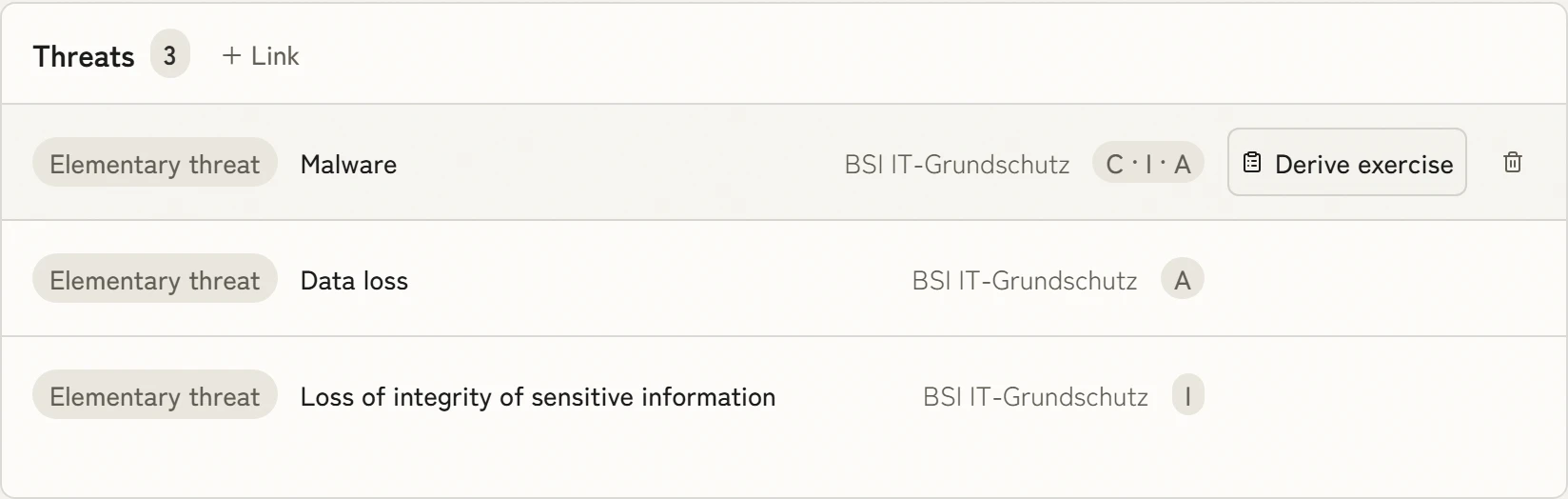
Information security, privacy, AI governance, supplier management and continuity need different assessments, but they often concern the same process or asset. One relational register lets each domain keep its perspective while sharing underlying facts.
KaitoSec makes dependencies and treatment overlap visible. The team avoids contradictory scores, duplicate measures and review dates that drift apart across departmental files.
Reporting for leadership and audit
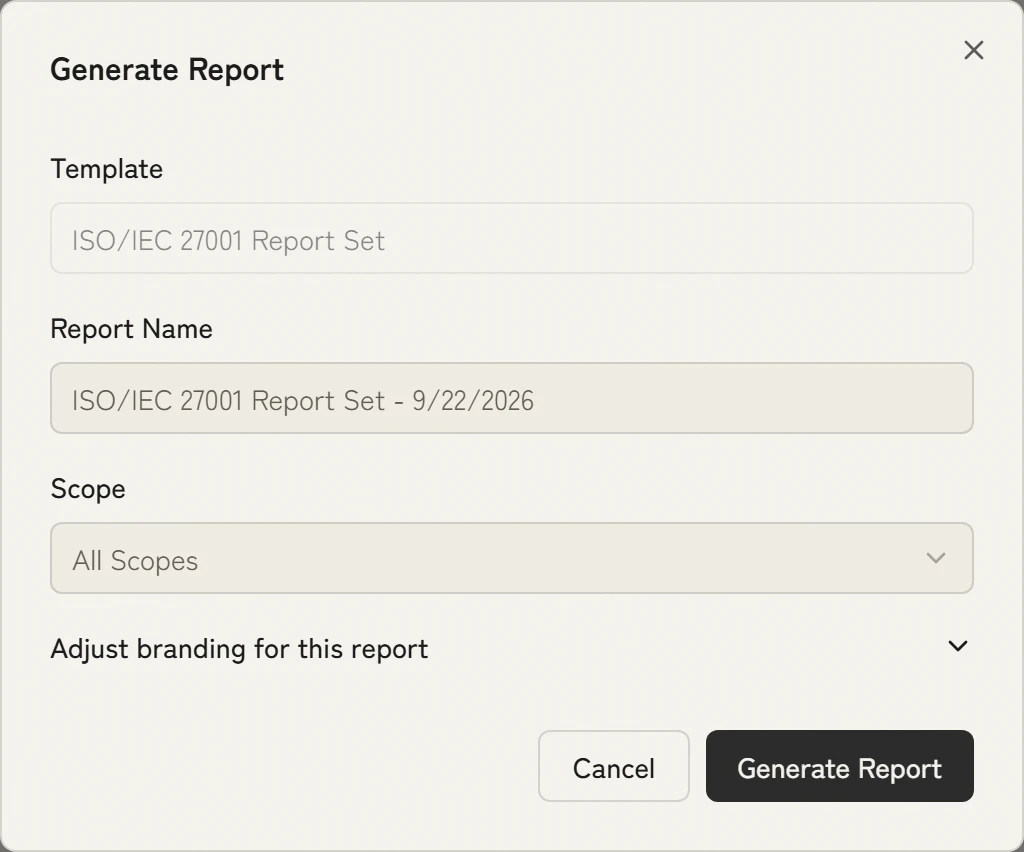
Leadership needs material exposure, overdue decisions and treatment progress. Auditors need methodology, rationale, approval and evidence. Both views should compile from current risk work rather than from a presentation rebuilt before every meeting.
KaitoSec retains the history behind each decision and exposes the appropriate depth for each audience. Reports remain connected to the risks and source records from which they were produced.
Inherent riskResidual riskAssets and findings come from the systems you already use.
100+ integrations
All integrations













Matching standards and modules
Relevant requirements
How KaitoSec supports the work
Frequently asked questions about risk management software
Which risk methodologies does KaitoSec support?
KaitoSec supports qualitative and semi-quantitative assessments aligned with ISO 27005, BSI 200-3 and ISO 22301. Scales, categories and review rules can be configured to the organisation's approved methodology.
Can one risk apply to several frameworks?
Yes. A risk can be linked to the requirements, controls and evidence relevant to ISO 27001, NIS2, DORA, IT-Grundschutz or other applicable frameworks without duplicating the underlying assessment.
Does the register include supplier and continuity risk?
Yes. Risks can reference suppliers, contracts, services, processes, BIA results, recovery plans and controls. Each domain keeps its professional assessment while using the same operational context.
How are accepted risks documented?
The acceptance decision retains its rationale, accountable approver, date, residual risk and next review. Changes remain versioned so leadership and audit can reconstruct why the decision was valid at the time.

Bring calm to your working week.
A personal demo in 30 minutes: we assess a real risk with you and show how treatment and reporting follow from it.